
Botox for Excessive Sweating (Hyperhidrosis)
25 September 2026
Male Rhinoplasty: How It Differs From Rhinoplasty in Women
25 September 2026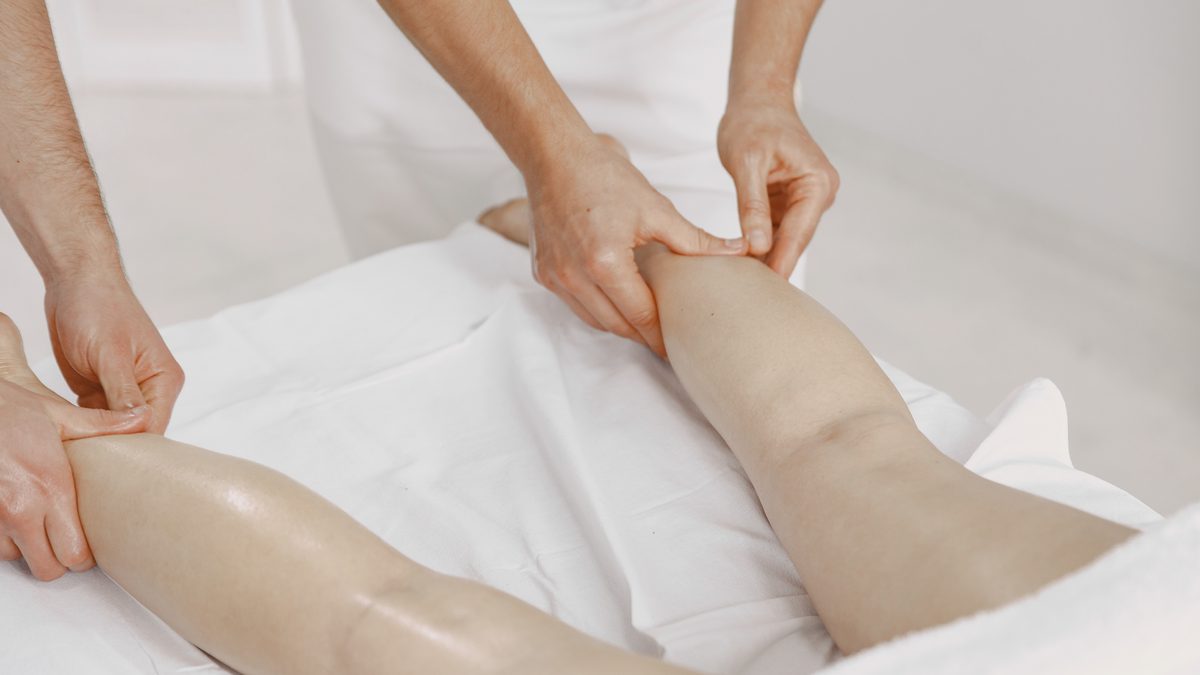
In short: Swelling after surgery is a normal part of tissue healing and usually eases noticeably over several weeks. There is no fixed day on which manual lymphatic drainage should begin for everyone; the timing depends on the type of operation, the state of the wounds and how sensitive the tissue is, and it is decided together by the surgeon and the physiotherapist.
After liposuction, abdominoplasty (tummy tuck) or a body lift, two questions come up again and again: how long will the swelling last, and when can massage begin? The day counts shared online vary widely, simply because every operation and every body heals at its own pace.
This article explains why swelling develops, what manual lymphatic drainage actually is, which factors determine its timing, how compression garments help, and which symptoms should prompt a call to your doctor. The information is general; your personal plan is set by the surgeon who performed your operation.
Why does swelling develop after surgery?
Swelling, or oedema, is fluid collecting between the tissues. During surgery, tissue layers are separated and small blood vessels and lymphatic channels are disturbed, while the body sends extra fluid and cells to the area to start repair. The lymphatic system is a network of fine vessels that collects excess fluid from the tissues and returns it to the circulation. When these vessels are temporarily overloaded in the operated area, fluid is cleared more slowly and swelling appears.
In liposuction, the cannula (a thin metal tube) creates many small tunnels under the skin, so swelling can spread over a wide area. In abdominoplasty and body lift surgery, skin and fat are lifted and redraped over a large surface, so swelling around the lower abdomen and along the incision line can last longer.
The typical course looks like this: swelling increases during the first days and then gradually subsides. Most of the visible swelling often settles within the first weeks, while mild fluctuations may continue for months. It is common for swelling to be worse in the evening, after long periods of standing or in hot weather. The final contour only becomes clear once the swelling has fully resolved.
What manual lymphatic drainage is, and what it is not
Manual lymphatic drainage (MLD) is a specific technique that uses light, superficial and rhythmic movements on the skin to support the flow of lymph fluid. The goal is not to knead the muscles, but to gently stretch the skin so that fluid is guided towards healthy lymph node regions.
This makes lymphatic drainage quite different from a classic or deep tissue massage. In the post-operative period, firm pressure, rubbing or aggressive device treatments can damage healing tissue and strain the incision. It is recommended that MLD is performed by a physiotherapist trained in lymphatic drainage, with the surgeon’s knowledge.
- Lymphatic drainage can help reduce swelling and make the tissue feel more comfortable; it is not a body-contouring method on its own.
- How often sessions take place and how many are needed varies from person to person.
- Gentle self-massage at home should only be done after a physiotherapist has shown you how.
When can lymphatic drainage start?
There is no single correct answer. Some surgeons allow very gentle treatment in the first days, while others prefer to wait until the wounds have closed and any drains have been removed. Published sources also differ on this point. That is why the start date should be set under the guidance of your surgeon and physiotherapist rather than on your own.
The main factors that influence timing are the type and extent of the operation, whether a drain (a thin tube that removes fluid from the body) is in place, how the incision is healing, how tender the area is and your general health. These are assessed together at your follow-up visit.
| Operation | Typical pattern of swelling | Points of attention for drainage |
|---|---|---|
| Liposuction | Can spread over a wide area; sometimes with firmness and a slightly uneven feel | All treated areas are included in the plan; start and frequency agreed with the surgeon |
| Abdominoplasty | Often lasts longer in the lower abdomen and around the incision | The incision and navel area are protected; drains, if present, are taken into account |
| Body lift | May appear in several regions along the incision lines | Usually a more cautious approach because of the long incisions |
| Combined procedures | Swelling may be more widespread and longer-lasting | The programme is individual and adjusted at follow-up visits |
Compression garments and daily habits
A compression garment applies even pressure to the operated area, which helps limit fluid build-up and supports the tissue as it adapts to its new shape. How many weeks and how many hours a day it should be worn depends on the operation, so following your surgeon’s instructions is essential. The garment should not wrinkle, cut into the skin or feel excessively tight; any garment that causes discomfort should be shown at your check-up.
- Movement: Short, frequent walks, within the limits your surgeon sets, support both blood circulation and lymph flow.
- Fluids and salt: Drinking enough water and avoiding very salty food may help keep swelling in check.
- Heat: Saunas, steam baths, hot compresses and long sun exposure can increase swelling during healing; ask your surgeon when they are appropriate again.
- Positioning: Resting in the position your surgeon recommends and, if advised, raising the legs slightly can feel more comfortable.
- Smoking: Smoking impairs circulation and wound healing; plan stopping with your doctor.
When should you contact your doctor?
Fluctuating swelling is normal, but some symptoms may point to something other than routine healing and should be assessed without delay:
- Marked swelling in one leg, calf pain, warmth or redness (possible deep vein thrombosis, a blood clot in a leg vein)
- Shortness of breath, chest pain or palpitations: in this case go to the nearest emergency department
- Rapidly increasing, tense and painful swelling on one side (possible haematoma, a collection of blood)
- A soft collection of fluid that moves when pressed (possible seroma)
- Fever, spreading redness, or cloudy or foul-smelling discharge from the incision
If any of these occur, pause the massage sessions and contact the team that performed your surgery. Lymphatic drainage is not appropriate when a clot or infection is suspected.
Frequently Asked Questions
How long does swelling last after surgery?
It depends on the type of operation and on your tissue. Visible swelling usually decreases over the first weeks, while mild swelling and a fuller feeling in the evening may continue for a few months. After liposuction or a tummy tuck, the final shape generally takes months to settle. Knowing that healing follows its own pace, and attending your follow-up visits, is the most reliable way to judge progress.
How many days after surgery can I start lymphatic drainage massage?
There is no fixed number of days that applies to everyone. Your surgeon decides the starting point based on the extent of the operation, whether drains are present, how the wounds look and how sensitive the area is. It is advisable to begin only after your surgeon has approved it, with a physiotherapist trained in lymphatic drainage. Early, firm massage arranged on your own can harm healing tissue.
Is lymphatic drainage mandatory after liposuction?
It is not required for every patient. After some operations, swelling can be managed well with a compression garment, movement and sensible daily habits. For extensive liposuction or combined procedures, your surgeon may recommend lymphatic drainage to support the management of swelling. The decision depends on findings at your check-up and on how your recovery is progressing.
How long do I need to wear a compression garment?
The number of weeks and the daily wearing time differ according to the operation. Typically the garment is worn most of the day in the first weeks and then gradually reduced on your surgeon’s advice. Stopping too early, or wearing a garment that is too tight, can affect swelling negatively. It is helpful to bring the garment to your follow-up visits so its fit can be checked.
Is firmness or unevenness in the treated area normal?
Especially after liposuction, firmness under the skin, small lumps and a temporary uneven feel are common; they are usually related to swelling and healing tissue and soften over time. However, if swelling increases quickly, is painful or affects only one side, or if fever or redness appears, contact your surgeon without waiting.
For more detail on these operations and their recovery, see Liposuction, BBL and Gynecomastia and Body Lift Surgeries; to arrange an examination in Kayseri, please use the Contact page.
This article is for informational purposes only; a physician’s examination is required for diagnosis and treatment.