BBL Safety: Why Technique Matters So Much in Fat Grafting
25 September 2026
Smoking and Cosmetic Surgery: Why Its Effect on Wound Healing Matters
25 September 2026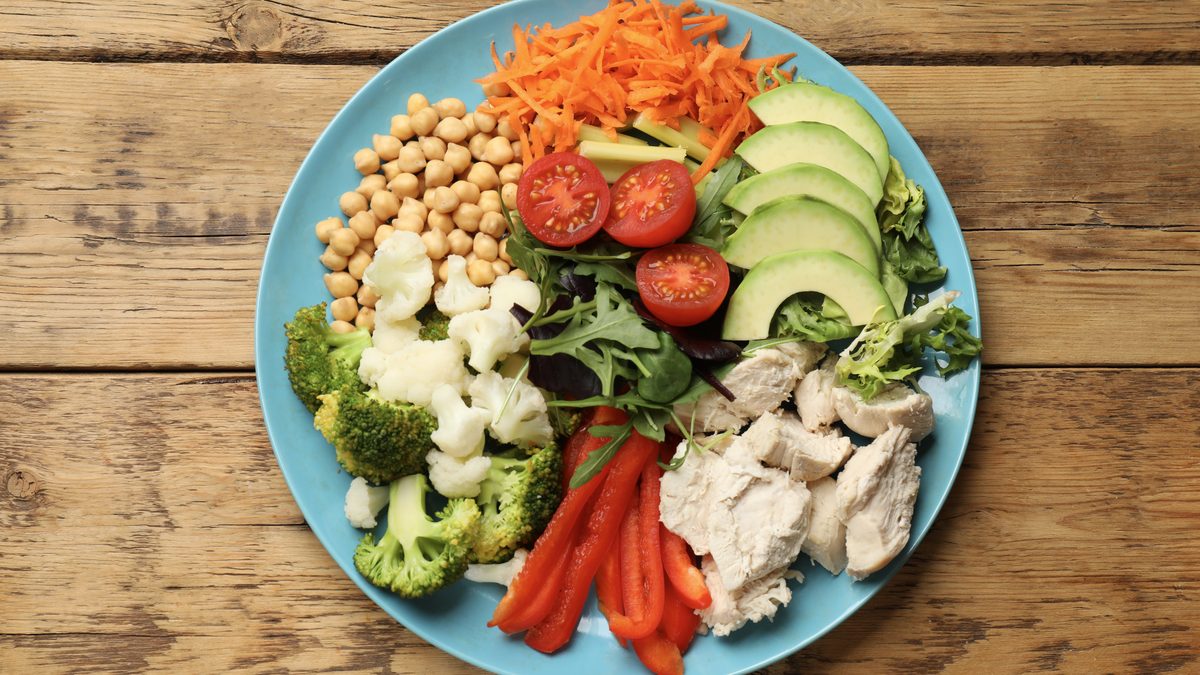
In short: Eating well after surgery is not about a special diet but about getting enough protein, fluids and nutrients regularly so that tissues can repair. Adequate water, fibre-rich foods and moderate salt may help limit constipation and swelling. Vitamins and herbal supplements should only be used with your physician’s approval, because some of them can affect bleeding.
After aesthetic and plastic surgery, the body needs extra energy and building material to close incisions, repair tissue and clear swelling. At the same time, appetite is often reduced, painkillers can slow the bowel down and movement is limited. What you eat and drink during this period can therefore make recovery noticeably more comfortable.
This article covers general principles on protein, fluids, fibre, salt, vitamins, supplements, alcohol and blood sugar control. It does not offer a diet plan with fixed amounts, because needs vary with age, body weight, the type of operation and any other medical conditions. Individual advice is set by your physician and, where needed, a dietitian.
Protein: the building block of repair
Wound healing depends on protein: it is needed to form new tissue, to produce collagen (the main structural protein of connective tissue) and to keep immune cells working. Protein requirements are often higher than usual after surgery, and a low intake may contribute to slower healing and a sense of weakness.
Sources can be varied: eggs, milk, yoghurt, cheese, fish, poultry, red meat, pulses such as lentils, chickpeas and beans, and nuts. In the first days, when appetite is poor, several small meals spread through the day are often easier to manage than large ones. Soft, easily digested options such as yoghurt, soup or eggs can be practical.
If you have a condition that requires protein restriction, such as kidney disease, the amount must be planned with your physician. Protein powders and ready-made shakes also count as supplements, so it is sensible to ask your doctor before using them.
Fluids, fibre and constipation from painkillers
Drinking enough after surgery supports circulation, kidney function and bowel movements. Water, unsweetened herbal teas, buttermilk-type drinks and soups all contribute. If you have heart or kidney failure or another condition that requires fluid restriction, the amount is determined by your physician.
Constipation is common after surgery. The main causes are strong painkillers, particularly opioids (morphine-type medicines), reduced movement, low fluid intake and disrupted meal patterns. After operations such as abdominoplasty (tummy tuck), straining can be uncomfortable along the incision, so bowel regularity matters even more.
- Fibre-rich foods: vegetables, fruit, wholegrain bread, oats and pulses support bowel movements.
- Gradual increase: raising fibre suddenly can cause wind and bloating; increasing it slowly, together with fluids, is usually better tolerated.
- Movement: short, frequent walks, as far as your surgeon allows, also stimulate the bowel.
- Laxatives: if constipation persists, use laxatives on your physician’s advice rather than on your own initiative.
Salt, swelling and everyday choices
Post-operative oedema (fluid build-up in the tissues) is a natural part of healing. A high salt intake makes the body retain more water and can make swelling more pronounced. It is therefore often recommended to limit salty foods during recovery, such as pickles, brined foods, instant soups, crisps, processed meats and ready-made sauces.
Reducing salt does not mean cutting it out completely. People with low blood pressure or specific medical conditions should adjust their salt intake together with their physician. Flavouring food with lemon, spices and fresh herbs instead of extra salt is a practical approach.
Vitamins, minerals and supplements
Vitamin C plays a role in collagen formation, zinc in cell renewal and iron in blood production. The preferred route is to obtain these nutrients from food: citrus fruit, peppers, kiwi and leafy greens for vitamin C; meat, eggs, pulses and pumpkin seeds for zinc; red meat, pulses and dark green vegetables for iron. A balanced, colourful plate covers a large part of most people’s needs.
Supplements call for caution. Some products influence blood clotting and may increase the risk of bleeding or bruising. High-dose fish oil, vitamin E, ginkgo and garlic supplements are frequently cited examples, and some herbal teas and blends can have similar effects. Tell your physician about every vitamin, herbal product and supplement you take before and after surgery, and agree with them when it is appropriate to restart.
| Topic | General approach | Points to watch |
|---|---|---|
| Protein | Include a protein source at every meal | In kidney disease, the amount is set by the physician |
| Fluids and fibre | Fluids spread through the day, vegetables, fruit and whole grains | In heart or kidney disease, fluid intake is adjusted individually |
| Salt | Limit processed and salty foods | Ask your physician if you have low blood pressure or special conditions |
| Vitamins and minerals | Obtain them mainly from food | Supplements only with your physician’s approval |
| Herbal products | Report every product you use | Some may alter bleeding risk or how medicines work |
Alcohol, diabetes and blood sugar
Alcohol can interact with medicines such as painkillers and antibiotics, disturb fluid balance and increase the tendency to bleed. It can also worsen swelling and sleep quality. Avoiding alcohol after surgery is generally advised; when it can be reintroduced should be discussed with your physician.
In people with diabetes, persistently high blood sugar can slow wound healing and raise the risk of infection. The stress of surgery, some medicines and changed meal patterns can all make blood sugar fluctuate. It is therefore important to monitor blood sugar from before the operation and to plan medication or insulin doses together with your surgeon and the physician who manages your diabetes. Meals based on whole grains, vegetables and protein, rather than sugary drinks and refined carbohydrates, may help keep levels steadier.
Starting a strict diet to lose weight quickly after surgery is not recommended. The body needs energy for repair; if weight loss is a goal, it can be planned with your physician and a dietitian once healing is complete.
The first days and loss of appetite
Nausea and poor appetite are common after anaesthesia. A usual approach is to start with water or clear fluids in the first hours and move on to soft, light foods as they are tolerated. Fatty, fried or very spicy foods can make nausea worse. The anaesthesia team’s instructions on fasting before surgery and on when to start eating afterwards take priority.
If nausea or vomiting lasts more than a few days, if you cannot keep fluids down or if you pass noticeably less urine, you should contact your physician.
Frequently Asked Questions
What should I eat after surgery?
There is no miracle food; the aim is balanced eating. A general principle is to include a protein source such as eggs, yoghurt, fish, poultry or pulses at every meal, alongside vegetables, fruit and whole grains. Appetite may be low at first, so small, frequent meals can be easier. If you have another medical condition, plan your diet together with your physician.
Why does constipation happen after surgery, and what can I do?
Constipation is usually caused by strong painkillers, reduced movement and low fluid intake. Drinking enough water, increasing fibre gradually and walking as far as your surgeon allows can help. If you have not opened your bowels for several days, or if you have marked bloating or abdominal pain, use laxatives only after speaking to your physician rather than on your own initiative.
Does salt make swelling worse?
A high salt intake makes the body retain water and can make swelling more noticeable. During recovery it is therefore often recommended to limit salty foods such as ready meals, pickles, crisps and processed meats. You do not need to cut salt out entirely; if you have low blood pressure or a specific condition, adjust your salt intake together with your physician.
Can I take vitamins or fish oil supplements?
It is best not to start supplements on your own. Some products, such as high-dose fish oil, vitamin E, ginkgo and garlic supplements, can affect blood clotting and increase the risk of bleeding. Tell your physician about all supplements before surgery and agree together when to stop and restart them. For most people, vitamins from food cover a large part of their needs.
I have diabetes. What should I pay attention to after surgery?
Persistently high blood sugar can slow wound healing and increase the risk of infection. It is important to check your blood sugar regularly from before the operation and to plan medication or insulin doses together with your surgeon and the physician who manages your diabetes. Meals built on vegetables, protein and whole grains are preferable to sugary drinks. Inform your physician if your readings differ from what is expected.
For more information on body contouring operations and recovery, you can visit the Body Lift Surgeries page, and to arrange a consultation in Kayseri, please use the Contact page.
This article is for informational purposes only; a physician’s examination is required for diagnosis and treatment.