Do Breast Implants Last a Lifetime? When Replacement May Be Needed
25 September 2026
Nutrition After Surgery: General Principles That Support Healing
25 September 2026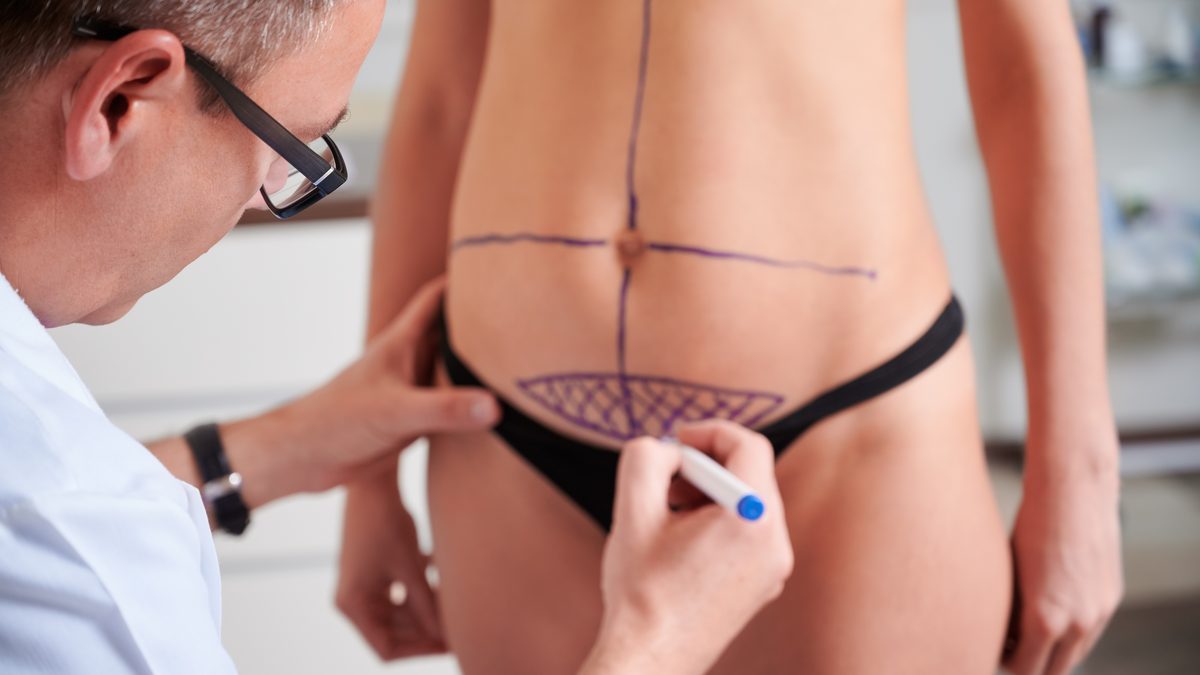
In short: A BBL (Brazilian butt lift) transfers fat removed by liposuction to the buttocks, and its most serious risk is fat embolism, which can occur if fat reaches the large veins in the deep muscle layer of the buttock. For this reason, injecting fat only into the subcutaneous plane, without entering the muscle and with a controlled cannula technique, is considered decisive for safety. Patient selection, limiting the volume, an appropriately equipped facility and following post-operative instructions are the other main factors that influence risk.
The BBL has become one of the most talked-about aesthetic procedures in recent years. Although it may sound like a simple “fat transfer”, the anatomy of the area makes it particularly sensitive to technique. International plastic surgery societies have published safety recommendations on this subject and encouraged surgeons to re-examine their technique.
This article explains where the risk in a BBL comes from, why the plane in which fat is placed matters, cannula technique, imaging guidance, volume and patient selection, and the post-operative period. The information is general; whether the procedure suits you and how it would be planned are determined through a medical examination.
What is a BBL and where does the most serious risk come from?
In a BBL, fat is first removed by liposuction from areas such as the abdomen, waist, back or thighs; it is then processed and injected into the buttocks through cannulas (thin metal tubes with a blunt tip). The aim is to change the volume and shape of the buttocks using the person’s own tissue.
The buttock contains a large muscle called the gluteus maximus. Within and beneath this muscle run large veins (the gluteal veins) that drain the region. If the cannula advances into or beneath the muscle during injection, fat can enter these veins and travel through the circulation to the lungs. This is called fat embolism, a complication that can be severe and life-threatening. It can occur during surgery or shortly afterwards.
Other possible problems after a BBL include seroma (fluid collection), infection, fat necrosis (part of the transferred fat losing its viability and forming firm areas or oil cysts), asymmetry, partial absorption of the fat over time, irregularities at the liposuction sites and blood clots in the leg veins.
Why only the subcutaneous plane?
The fat layer between the skin and the muscle of the buttock is called the subcutaneous plane. There are no large veins in this layer. The common thread of current safety recommendations is that fat should be placed only in this subcutaneous plane and that the cannula should not enter the muscle.
Techniques that once injected fat into the muscle to achieve more volume have been reported to be associated with serious complications. For this reason, many sources today explicitly advise against intramuscular fat injection. A natural consequence is that the volume that can be placed in one session is limited by what the subcutaneous layer and the skin can accommodate.
| Feature | Subcutaneous plane | Intramuscular / submuscular plane |
|---|---|---|
| Proximity to large veins | Distant; the large gluteal veins are not in this layer | Close; large vessels run within and beneath the muscle |
| With regard to fat embolism | The plane targeted in current recommendations | Advised against because of its association with serious complications |
| Volume that can be placed | Limited by the elasticity of the skin and subcutaneous tissue | — |
| Key factors in planning | Thickness of the subcutaneous layer, skin elasticity, individual anatomy | — |
Cannula technique and imaging guidance
How deep the fat goes depends largely on how the cannula is handled. The technical principles highlighted in the literature generally include:
- Using relatively wide, sturdy cannulas that do not bend easily; thin, flexible cannulas are described as more likely to veer deeper unintentionally.
- Planning entry points and cannula angle so that the tip is not directed downwards towards the muscle.
- Injecting fat in small amounts only while the cannula is moving, not while it is stationary.
- Continuously tracking the position of the cannula tip with the surgeon’s other hand.
In recent years, the use of intraoperative ultrasound to see in real time that the cannula tip is in the subcutaneous plane has been increasingly discussed in the literature. Ultrasound-guided injection is regarded as a tool that can help confirm the plane, but it should not be seen as a method that removes all risk on its own. Asking your surgeon before the operation which technique will be used is a reasonable question.
Volume limits and patient selection
Aiming for a larger volume places strain on both the skin and the subcutaneous tissue. Excessive volume can increase the risk of fat necrosis and cyst formation due to insufficient blood supply to the fat, as well as tissue tension and irregularities. Volume is therefore determined by the individual’s tissue capacity; the desired look may not be achievable in a single operation, and a second session may be considered for some people.
The main points assessed during patient selection include:
- General health, chronic conditions and current medications
- Body mass index and whether weight is stable
- Whether there is enough fat available for transfer
- Smoking, which affects circulation and the survival of transferred fat
- Conditions that affect surgical risk, such as anaemia or a tendency to form clots
- Realistic expectations and the ability to follow post-operative instructions
Facility, team and choosing a surgeon
A BBL is performed under general anaesthesia or deep sedation and carries a risk of serious complications. It is therefore important that it takes place in a licensed facility with an anaesthesiologist present, emergency equipment available and access to intensive care support if needed.
Questions you may ask during the consultation include: Who will perform the operation, and what specialist training do they have in this field? In which plane will the fat be placed, and how will this be confirmed? How will the volume be decided? Who will administer anaesthesia? Whom should you contact in an emergency after surgery? Receiving clear and understandable answers to these questions is an important part of the decision-making process.
After surgery: sitting rules and warning signs
To allow the transferred fat to establish a blood supply in its new location, direct pressure on it is usually avoided during the first weeks. Most surgeons therefore recommend not sitting directly on the buttocks for a certain period, lying on the front or side, and using a special cushion placed under the backs of the thighs when sitting is necessary. The length of this period varies between surgeons and individuals.
Restricted sitting does not mean staying immobile. Taking short walks early on, as advised by your doctor, helps reduce the risk of blood clots in the leg veins. For compression garments, lymphatic drainage, bathing and similar matters, the instructions of the surgical team should be followed.
Sudden shortness of breath, chest pain, palpitations, confusion or dizziness require going to the nearest emergency department without delay. Swelling and pain in one leg, fever, increasing redness or cloudy discharge from the wounds also call for contacting the surgical team immediately.
Frequently Asked Questions
Is a BBL a safe operation?
Like any operation, a BBL carries risks, the most serious of which is fat embolism. Much of this risk relates to the plane in which fat is placed; current recommendations emphasise injecting fat only into the subcutaneous plane. Appropriate patient selection, a limited volume, a suitably equipped facility and following post-operative instructions all help to reduce risk. Your personal risk should be discussed with your surgeon during a consultation.
What is fat embolism?
Fat embolism occurs when fatty tissue enters the bloodstream and travels to the blood vessels of the lungs. In a BBL, it can happen if the cannula advances into or beneath the buttock muscle and fat is injected into the large veins located there. It can cause severe symptoms such as sudden breathlessness and circulatory collapse and requires emergency treatment. Technique that stays in the subcutaneous plane aims to reduce this risk.
When can I sit after a BBL?
There is no fixed period that applies to everyone. Most surgeons recommend not sitting directly on the buttocks in the first weeks and using a special cushion under the thighs when sitting is necessary. How long this lasts depends on the volume transferred, how healing progresses and the surgeon’s approach. Driving, long journeys and returning to desk work should also be planned with your doctor at a follow-up visit.
How much of the transferred fat stays?
Part of the transferred fat is absorbed by the body in the first months; the proportion that remains varies from person to person. Fat survival is influenced by the blood supply of the tissue, the volume transferred, smoking and avoiding pressure after surgery. The final appearance can usually be assessed more clearly after a few months, once swelling has subsided and the fat has settled.
What should I ask my surgeon before a BBL?
You can ask who will perform the operation and what specialist training they have, in which plane the fat will be placed and how this will be confirmed, how the volume will be decided, who will administer anaesthesia and in which facility the operation will take place. Post-operative rules, the follow-up schedule and whom to contact in an emergency are also points that should be made clear.
For detailed information about liposuction and fat transfer, you can visit the Liposuction, BBL and Gynecomastia page, and to arrange a consultation in Kayseri, please use the Contact page.
This article is for informational purposes only; a physician’s examination is required for diagnosis and treatment.