Male Rhinoplasty: How It Differs From Rhinoplasty in Women
25 September 2026
Droopy upper eyelids: blepharoplasty, temporal lift or both?
25 September 2026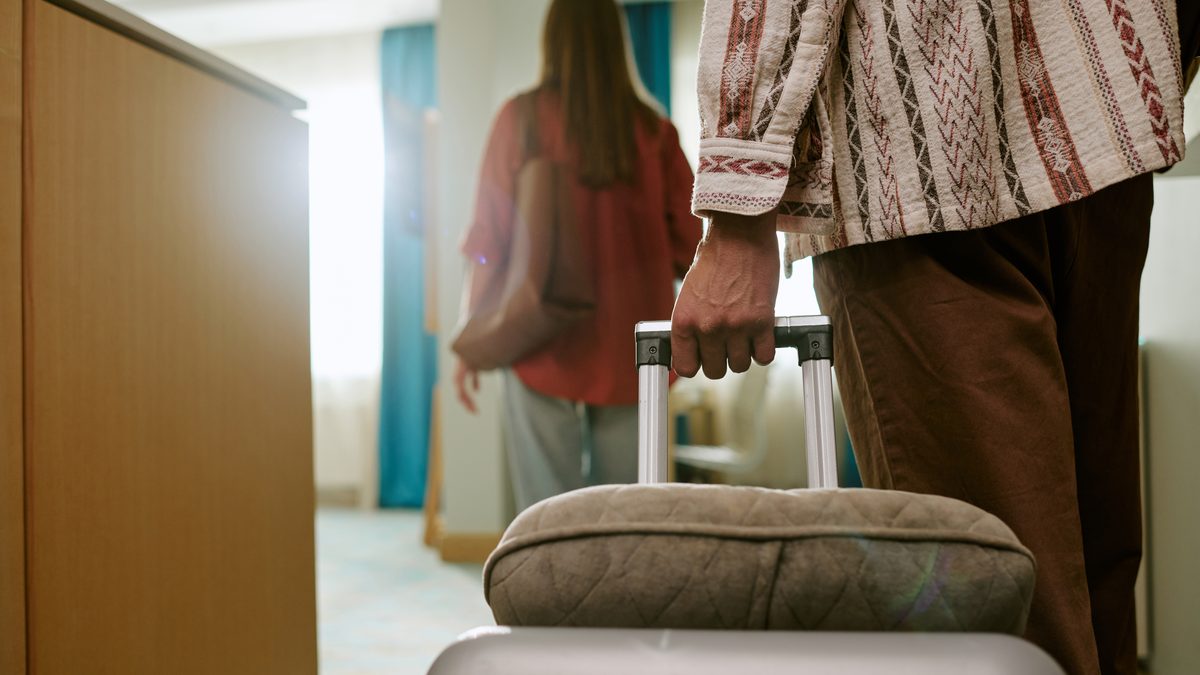
In short: If you are travelling from another city or country for surgery, good planning rests on three points: the decision to operate is made at an in-person examination, you stay at least until the first follow-up check, and your journey home is planned with your surgeon, including precautions against blood clots. How long you need to stay depends on the procedure and on how your recovery progresses; the exact number of days is set after the examination.
For patients who come to Kayseri from other Turkish cities or from abroad, surgery is not a one-day event. The consultation, pre-operative tests, the day of surgery, the first check-ups and the trip home all belong to one plan, and thinking them through in advance affects both safety and how smoothly the process goes.
This article covers what an online pre-consultation can and cannot do, how long to plan your stay, companions and accommodation, what to consider when driving or flying after surgery, remote follow-up, and the documents worth bringing. The information is general; your individual plan is made during a medical examination.
What an online pre-consultation can and cannot do
Messages and photos sent in advance are useful for describing your goals, learning how the process usually runs and organising your trip. At this stage you can clarify which documents to bring, how much time to set aside for the consultation and, in general terms, what kind of recovery period to expect.
Photos and messages, however, do not replace an examination. Skin thickness and elasticity, the degree of tissue laxity, asymmetries, old scars and your overall health only become clear face to face. For that reason, whether surgery is suitable, which technique is chosen and how extensive the operation will be are not finalised online; the decision follows the examination and any necessary tests. The examination may also show that surgery is not appropriate or that a different approach would be better, so it is sensible to allow for that possibility when you book your travel.
How long should you plan to stay?
The length of stay depends on the type of operation, whether general or local anaesthesia is used, whether a drain (a thin tube that removes fluid from the surgical area) is placed, and how your recovery goes. Where possible, holding the consultation and the operation on separate days gives you time to decide without pressure and allows test results to come back.
Staying in the city at least until the first post-operative check is generally recommended. Early problems such as bleeding, a haematoma (a collection of blood under the skin) or more swelling than expected are usually noticed in the first days, so it matters that you can easily reach the team who operated on you during that period.
| Stage | What happens | Planning note |
|---|---|---|
| Consultation and tests | Medical history, examination, photographs, blood tests, anaesthesia assessment if needed | Ideally scheduled on a different day from surgery |
| Surgery day and first night | Operation and observation; a hospital stay for some procedures | A companion is recommended; no driving |
| First check-up | Wound and swelling review, dressing change, drain check if present | Your return date usually becomes clear after this visit |
| Journey home | Long drive or flight | Breaks, movement and compression planned with your surgeon |
| Remote follow-up | Photos or video calls, stitch removal, later check-ups | Whether in-person visits are needed varies from person to person |
Companion and accommodation
After general anaesthesia or sedation (medication that makes you drowsy), you should not be alone or drive for the first 24 hours. Having someone who collects you at discharge, stays with you the first night and helps you take your medication on time makes the process considerably easier.
When choosing accommodation, being close to the hospital, having a lift, a quiet room and easy access to meals are practical advantages. After face and neck surgery you may be asked to keep your head elevated, so small details such as extra pillows are worth thinking about in advance.
The journey home: clot risk, compression and movement
Sitting still for long periods after surgery can increase the risk of a clot forming in the deep leg veins (deep vein thrombosis). If a clot travels to the lungs (pulmonary embolism), the result is rare but serious. Long bus, car or air journeys add to this risk, which is why the timing of your trip home should be agreed with your surgeon.
- Breaks and movement: On the road, stop regularly for short walks; while seated, move your ankles and calves frequently.
- Compression stockings or garment: If your surgeon has recommended them, wear them throughout the journey.
- Fluids: Drink enough water and avoid alcohol.
- Medication: If you have been prescribed medication to prevent clots, do not skip a dose on the travel day, and never start or stop it on your own.
- Flying: When flying is appropriate depends on the procedure; arrange help so you do not have to lift heavy luggage.
If you notice swelling in one leg, calf pain, sudden shortness of breath or chest pain during or after the journey, go to the nearest emergency department without delay.
Follow-up and communication after you return home
Healing continues after you get home. Before leaving, make sure you know how stitch removal, dressings and later check-ups will be handled. Some interim checks can be done by photo or video call, but depending on the nature of a concern, an in-person examination may still be needed. Find out through which channel and at what times you can reach the team that operated on you.
If you develop a fever, increasing redness or discharge from the wound, or swelling that grows quickly on one side, contact the surgical team and, if necessary, seek care at a medical facility where you live. Keep your operation summary and medication list with you so that any doctor you see can review them.
What to bring with you
- A valid ID or passport
- A list of all medicines, herbal products and supplements you take (blood thinners in particular)
- Allergy information and details of previous operations and anaesthesia
- Reports on any chronic conditions, plus recent blood test and imaging results (translated if necessary)
- Comfortable clothes that open at the front, and a written list of your questions
Frequently Asked Questions
Can a surgeon decide on surgery from photos alone?
No. Photos help give a general impression and plan the process, but skin elasticity, tissue quality, asymmetries and your general health can only be assessed during an examination. Suitability, technique and the extent of surgery are decided after an in-person consultation and the necessary tests. The examination may also show that a different approach, or a non-surgical option, is more appropriate.
How many days after surgery can I travel home?
There is no fixed number that applies to everyone. The timing depends on the procedure, the type of anaesthesia, whether a drain was placed, the length of the journey and the findings at your first check-up, and it is decided together with your surgeon. Staying at least until that first check is usually advised. Keeping your accommodation flexible by a few days is helpful.
When can I fly after surgery?
The right time to fly varies with the type and length of the operation and with personal risk factors, and sources differ in their recommendations. Because prolonged sitting can raise the risk of blood clots, set your flight date after discussing it with your surgeon. During the flight, move your ankles often, drink water and wear compression stockings if they were recommended.
Do I have to bring a companion?
It may not be mandatory for every procedure, but after general anaesthesia or sedation you should not be alone or drive for the first 24 hours. For patients travelling from elsewhere, having someone who accompanies you at discharge, stays with you the first night and helps on the journey home is important for both safety and comfort.
Can my stitches be removed in my home city?
That depends on the procedure and the suturing technique. Dissolvable stitches are used in some cases; in others, stitches are removed at a scheduled check-up. Discuss where and when your stitches will be removed with your surgeon before you leave. If another clinic will do it, take your operation summary with you so they have the relevant information.
For more on facial procedures, see Face and Neck Lift; for the anaesthesia process, see Anaesthesia Information. To plan a consultation in Kayseri, please use the Contact page.
This article is for informational purposes only; a physician’s examination is required for diagnosis and treatment.