
Is a Facelift Permanent? Realistic Facts About How Ageing Continues
25 September 2026
Do Droopy Eyelids Affect Your Visual Field? Functional Blepharoplasty
25 September 2026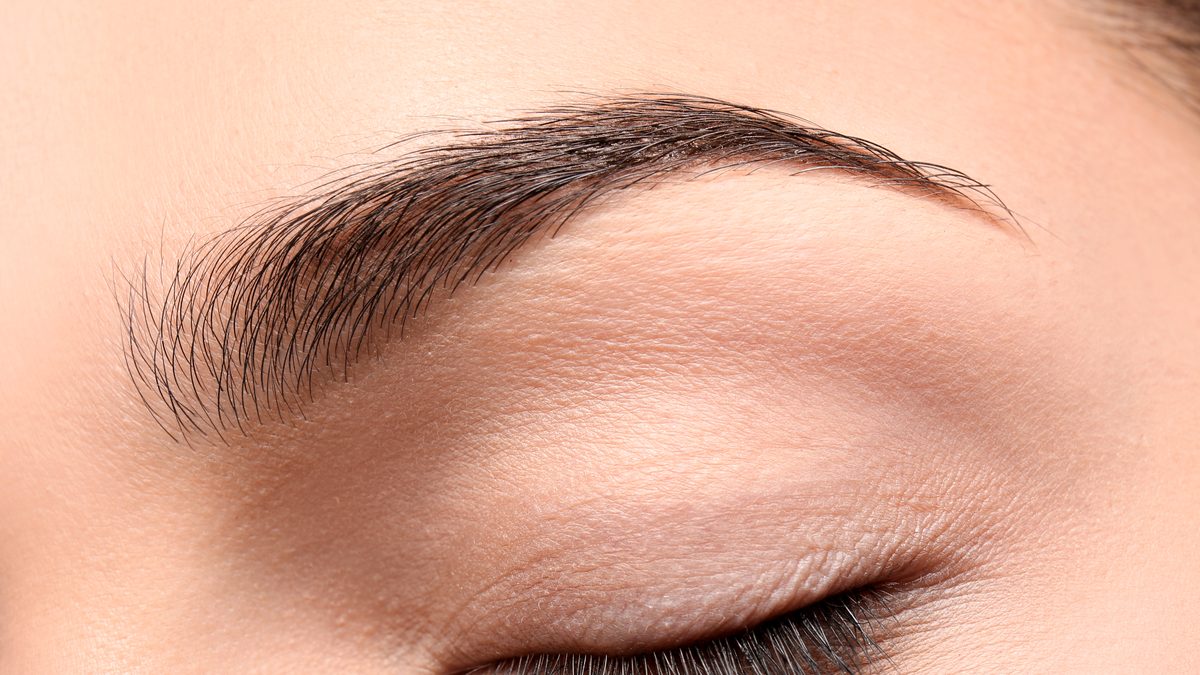
In short: A temporal lift performed for a “fox eyes” look (lifting the tail of the brow from the temple area) is not a suitable option for everyone. Significant upper eyelid skin excess, true eyelid drooping (ptosis), dry eye, very thin hair or an unfavourable hairline, certain medical conditions and expectations based on filtered images are the main situations in which this procedure alone may not be the right answer.
The slightly lifted, outward-slanting brow and eye shape known on social media as “fox eyes” or “almond eyes” has become a frequently discussed aesthetic request in recent years. Procedures aimed at this look range from suspension with threads to a surgical temporal lift performed through incisions hidden in the hair-bearing scalp.
In this article we look at which situations may make a temporal lift unsuitable or call for a different approach. The information here is general; suitability is always decided at a physician’s examination that considers facial structure, eyelids and overall health together.
What a temporal lift can and cannot change
A temporal lift aims to reposition the outer third of the brow and the soft tissue of the temple upwards and outwards. In the surgical approach, incisions are usually placed within the hair-bearing skin of the temple; with threads, absorbable sutures placed under the skin suspend the tissue.
The reach of this procedure is limited. It can change the position of the brow tail and mild sagging around the outer part of the eye, but it does not remove excess eyelid skin, it does not correct weakness of the muscle that lifts the eyelid, and it does not fundamentally reshape the eyeball or the eye opening. Knowing these limits is the first step in understanding who is not a candidate.
Expectations shaped by filters and trends
Many consultations begin with photo filters or digitally edited images. Filters can pull the brow, eyelid and outer eye corner to proportions that are not possible in real anatomy. The change achievable with surgery or threads, on the other hand, is limited by bone structure, skin thickness and tissue elasticity.
When the expectation is to copy a trend image exactly, the risk of disappointment is high. An over-pulled appearance can lead to a surprised expression, a less natural facial movement, or a result that moves away from a person’s own ethnic and family features. Whether the desired look is realistic should be discussed openly during the consultation.
Eyelid skin excess and ptosis: different problems, different solutions
In people with marked excess skin of the upper eyelid (dermatochalasis), the main issue is the eyelid skin itself, not the brow position. A temporal lift alone may not be enough here; blepharoplasty (eyelid surgery) may be planned on its own or together with a temporal lift. Lifting only the brow may partly hide the hooding without actually resolving it.
Ptosis (blepharoptosis) means the eyelid margin sits lower than it should because the lifting muscle or its tendon is weak. In a person with ptosis, raising the brow does not raise the eyelid margin; if the person compensates by lifting their brows, the ptosis may even be overlooked. Ptosis requires a separate assessment and, where needed, separate surgical planning.
- If excess eyelid skin dominates: a blepharoplasty assessment comes first.
- If the eyelid margin is low: a detailed examination for ptosis is needed.
- If the outer part of the brow is clearly low: a temporal lift may be considered.
Dry eye, hairline and tissue characteristics
Dry eye: Any procedure around the eyes should be planned carefully in people with dry eye symptoms. Particularly in combined plans that also affect the outer eye corner or include eyelid surgery, eyelid closure and tear distribution may be affected. Dry eye symptoms should be asked about beforehand and, if necessary, an ophthalmologist’s assessment requested.
Hairline and hair density: In a surgical temporal lift, the incisions lie within the hair of the temple, so the concealing effect of the hair matters. In people with a very high or very low hairline, sparse hair at the temples or progressive hair loss, scar visibility and a possible shift of the hairline should be assessed separately.
Heavy brows and thick skin: In people with thick, heavy brow tissue and dense skin, the effect of thread procedures in particular is known to be more limited and shorter-lasting. The choice of method should be made especially carefully in these cases.
Health status, smoking and the “permanence” expectation
Some health conditions may require the procedure to be postponed or planned differently:
- Uncontrolled diabetes, high blood pressure or heart disease
- A bleeding tendency or the use of blood-thinning medication (medication should be adjusted only under your physician’s guidance, not on your own)
- Active infection or skin disease at the treatment site
- A history of poor scarring (keloids)
- Pregnancy and breastfeeding
Smoking reduces blood supply to the tissue and impairs wound healing; for people planning surgery, stopping smoking should be planned with the physician. Finally, it is not realistic to expect the effect to remain unchanged for life. Ageing, gravity and facial expressions continue; the effect of threads usually lasts shorter than surgery, and after surgery natural change also continues over time.
| Feature | Thread suspension | Surgical temporal lift |
|---|---|---|
| How it is done | Absorbable threads are placed under the skin | Tissues are repositioned through incisions in the hair-bearing skin of the temple |
| Duration of effect | Usually more limited; varies from person to person | Usually longer; ageing continues |
| Recovery | Usually shorter; temporary tightness and swelling are possible | Swelling and bruising may be more noticeable; duration varies |
| May suit | Mild drooping, thin and elastic tissue | More marked brow-tail drooping, a favourable hairline |
Frequently Asked Questions
Does a fox eyes procedure correct hooded eyelids?
A temporal lift can open up the area around the eye slightly by raising the outer brow, but it does not remove excess upper eyelid skin. If the skin excess is marked, blepharoplasty is considered on its own or combined with a temporal lift. Which approach suits you is decided at an examination that assesses eyelid and brow position together.
Can I have a temporal lift if my eyelid droops?
A low eyelid margin (ptosis) is a separate problem related to the lifting muscle, and raising the brow does not correct it. In people with ptosis, this condition needs to be assessed in detail first. If the brow is also low, the two problems can be addressed with different methods, in the order the physician considers appropriate.
Is it possible to get exactly the look from a filter?
Usually not. Filters can stretch tissue beyond anatomical limits, whereas a real result is limited by bone structure, skin thickness and tissue elasticity. Reference images can help explain what you would like, but the goal should be set within a realistic framework and according to your own facial proportions.
Is the fox eyes effect permanent?
No method stops ageing. The effect of threads usually lasts for a more limited time; with a surgical temporal lift the effect usually lasts longer, but the tissue continues to change naturally over time. How long it lasts varies from person to person depending on skin structure, age, lifestyle and the technique used.
Can people with dry eyes have a temporal lift?
Dry eye alone may not be an absolute barrier, but it requires careful evaluation. Especially in combined plans affecting the outer eye corner or the eyelid, eyelid closure and tear distribution may be affected. It is advisable to mention any symptoms at the consultation and, if needed, to obtain an ophthalmologist’s opinion.
For more information on the scope of temporal lift and eyelid procedures, you can visit the Temporal Lift and Eyelid Aesthetics page, and use the Contact page to arrange a consultation in Kayseri.
This article is for informational purposes only; a physician’s examination is required for diagnosis and treatment.