Fox Eyes (Temporal Lift): Who May Not Be a Suitable Candidate?
25 September 2026
Why Fillers Are Temporary: How Is Hyaluronic Acid Broken Down?
25 September 2026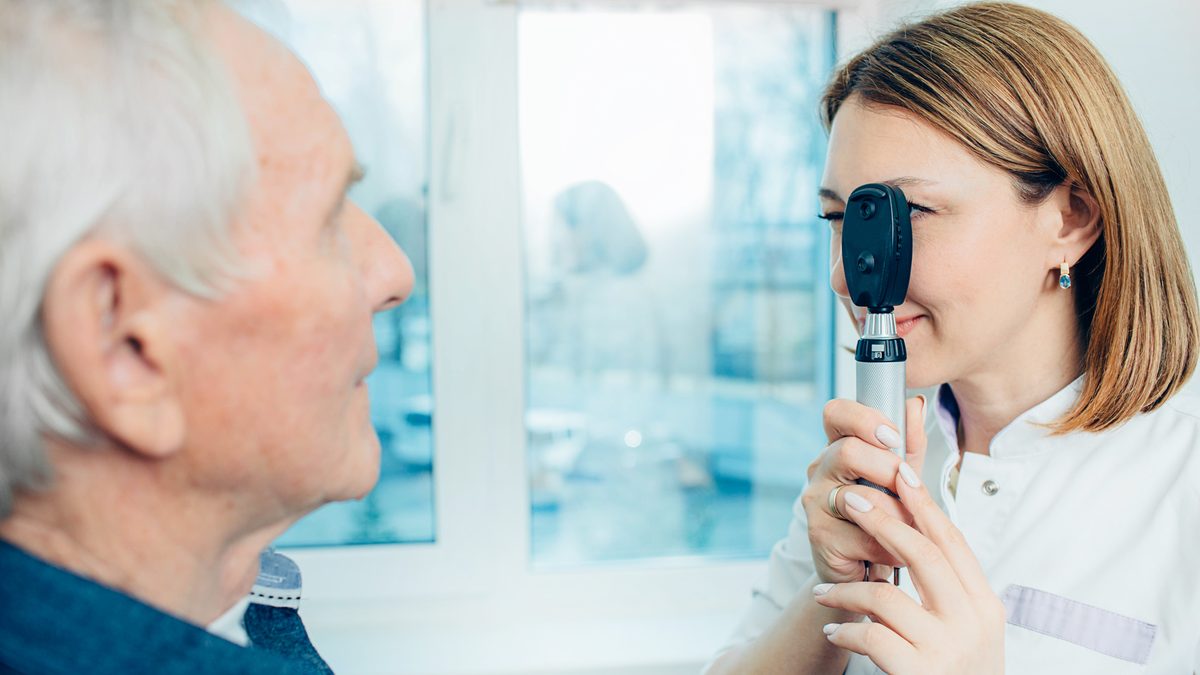
In short: Yes, marked excess skin of the upper eyelid (dermatochalasis) or a low-lying eyelid margin (ptosis) can narrow the visual field, particularly the upper and outer parts. Whether such narrowing is really present, and what causes it, is established by examination and a visual field test; skin excess may be addressed with functional blepharoplasty, while ptosis calls for a separate assessment of the muscle that lifts the eyelid.
Drooping eyelids are often seen as a purely cosmetic matter, but in some people they make everyday tasks such as reading, driving, walking down stairs or looking at a screen more difficult. Without realising it, a person may raise their brows to see better and feel forehead fatigue or a headache by the end of the day.
In this article we explain the difference between dermatochalasis and ptosis, how the visual field is affected, which tests are used and how functional blepharoplasty differs from cosmetic blepharoplasty. Every eye is different; the right approach is decided at a physician’s examination.
Dermatochalasis and ptosis: two different kinds of “drooping”
Dermatochalasis is excess skin of the upper eyelid that increases with age. As the skin loses elasticity, the surplus folds over the lid margin; in severe cases it hangs past the lash line into the upper part of the visual field. Here the lid margin itself may sit at a normal height; the problem is the skin folding over it.
Ptosis (blepharoptosis) means the eyelid margin sits lower than it should. In adults, the most common cause is loosening of the tendon of the lifting muscle (levator), related to age, long-term contact lens wear or previous eye surgery. There are also other types, such as congenital ptosis and ptosis related to nerve or muscle disorders.
A low brow (brow ptosis) may add to the picture, pushing the eyelid skin downwards and increasing the hooding. All three can coexist in the same person, which is why the complaint “my eyelids have dropped” needs a detailed examination.
| Condition | What happens | Effect on the visual field | General approach |
|---|---|---|---|
| Dermatochalasis | Excess upper lid skin hangs over the lid margin | When marked, may narrow the upper and outer field | Functional or cosmetic blepharoplasty is considered |
| Ptosis | The lid margin sits low because the lifting muscle is weak | As the margin approaches the pupil, the upper field may narrow | Specific assessment of muscle and tendon; ptosis surgery may be needed |
| Brow ptosis | Brow tissue descends and pushes the lid skin down | May particularly affect the outer field | Brow lift or temporal lift, combined with eyelid surgery if needed |
How is the visual field affected?
The visual field is the whole area we can perceive around us while keeping the eye still. Hanging skin or a low lid margin can cover the upper part of this area like a curtain. Many people describe it as “I can’t see what’s above me”, “my eyes always look half-closed” or “my eyes feel heavy in the evening”.
The body tries to compensate. The most common compensation is contracting the forehead muscle (frontalis) to keep the brows raised all the time. This can lead to pronounced horizontal forehead lines, fatigue in the forehead and head by the end of the day, and complaints resembling tension-type headache. Some people also get used to tilting their head back and lifting their chin to look ahead.
- A feeling of heaviness in the eyes when reading or looking at a screen
- Fatigue from constant contraction of the forehead muscles
- Lashes pushed downwards by the hanging skin and touching the eye
- Irritation, redness or moisture in the eyelid fold
Because these complaints can have other causes, decisions are not based on symptoms alone; the examination and any necessary tests are assessed together.
Visual field testing and ophthalmological assessment
A visual field test (perimetry) can be used to show objectively how much the eyelid affects vision. It is usually done in two stages: first with the eyelids in their natural position, then with the hanging skin or lid gently lifted with tape. The difference between the two measurements helps show how much the eyelid contributes to the field loss.
The examination also measures the distance between the lid margin and the light reflex on the pupil, the strength of the lifting muscle, the brow position and differences between the two sides. Photographic documentation is frequently used as well.
An ophthalmologist’s assessment is important in many cases. Dry eye, other conditions that can affect the visual field such as glaucoma, and the state of the eye surface may influence the surgical plan. Ptosis that fluctuates during the day, worsens with fatigue, is accompanied by double vision or appears over a short period may point to a muscle- or nerve-related condition and should be evaluated without delay.
Functional versus cosmetic blepharoplasty: what is the difference?
Blepharoplasty (eyelid surgery) is an operation in which excess eyelid skin, muscle and, if needed, fat are adjusted. The same surgical technique can serve different purposes:
- Functional blepharoplasty: The main aim is to reduce the effect of the hanging skin on the visual field and ease the related complaints. The decision is supported by examination findings and often by a visual field test.
- Cosmetic blepharoplasty: Without a significant field restriction, the aim is to reduce a tired appearance and give the eye area a more rested look.
In practice, the two aims often overlap; an operation performed for functional reasons also changes appearance. In some health systems or insurance schemes, the distinction between functional and cosmetic surgery depends on documented visual field restriction; these rules vary between institutions.
One key point: blepharoplasty targets skin excess and does not correct ptosis. Removing skin alone in a person with ptosis leaves the low lid margin unchanged. Ptosis repair (methods such as shortening or reattaching the tendon of the lifting muscle) is planned separately, depending on muscle strength and the cause of the ptosis. If a low brow is also present, a temporal lift or brow lift may be part of the plan.
Recovery and limitations
After blepharoplasty, swelling, bruising and a feeling of tightness in the eyelids are common in the first days. Cold compresses, resting with the head slightly elevated and the eye drops and ointments prescribed by the physician are usually part of the process. Changes in the visual field are often noticed more clearly as the swelling subsides.
Possible risks include bleeding, infection, temporary dry eye, temporary difficulty closing the eyelids completely, asymmetry and scar problems. In people who have long contracted the forehead muscle to compensate, the brow may settle somewhat lower after surgery; this is why brow position is assessed carefully beforehand.
Frequently Asked Questions
Can sagging eyelids block your vision?
Marked skin excess or a low lid margin can narrow the visual field, especially the upper and outer parts, while central sharpness of vision is usually unaffected. People typically notice it as difficulty seeing upwards or a heaviness of the eyes. Whether narrowing exists, and to what degree, can be assessed objectively through examination and a visual field test.
What is the difference between dermatochalasis and ptosis?
Dermatochalasis is excess upper eyelid skin hanging over the lid margin; the margin itself may be at a normal height. In ptosis, the lid margin itself sits low because the lifting muscle or its tendon is weak. The two can coexist and are treated differently: blepharoplasty targets skin excess, while ptosis surgery targets the low lid margin.
How is a visual field test performed?
You look at a fixed point in front of a device and signal whenever you notice a light appearing in your peripheral vision. For eyelid assessment, measurements are usually taken first with the lids in their natural position and then with the lid taped up. The difference between the results helps show how the eyelid affects your visual field.
Can constant forehead fatigue and headaches be related to my eyelids?
They can. People whose visual field is narrowed by drooping lids may unconsciously tense the forehead muscle to keep their brows raised, which can cause fatigue and tension in the forehead by the end of the day. However, headaches have many other causes, so the source of the complaint should be investigated at a physician’s examination.
Does blepharoplasty also correct ptosis?
No. Blepharoplasty addresses excess skin and, where needed, fat; it does not raise a low lid margin. If ptosis is present, separate surgical planning targeting the lifting muscle and its tendon is required. When both problems exist in the same person, the physician may suggest addressing them in the same operation or at different times.
For detailed information on eyelid surgery and temporal lift options, you can visit the Temporal Lift and Eyelid Aesthetics page, and use the Contact page to arrange an examination in Kayseri.
This article is for informational purposes only; a physician’s examination is required for diagnosis and treatment.