
Tip Rhinoplasty vs Full Rhinoplasty: What Is the Difference?
25 September 2026
Aesthetic Surgery in Winter: How the Season Affects Planning
25 September 2026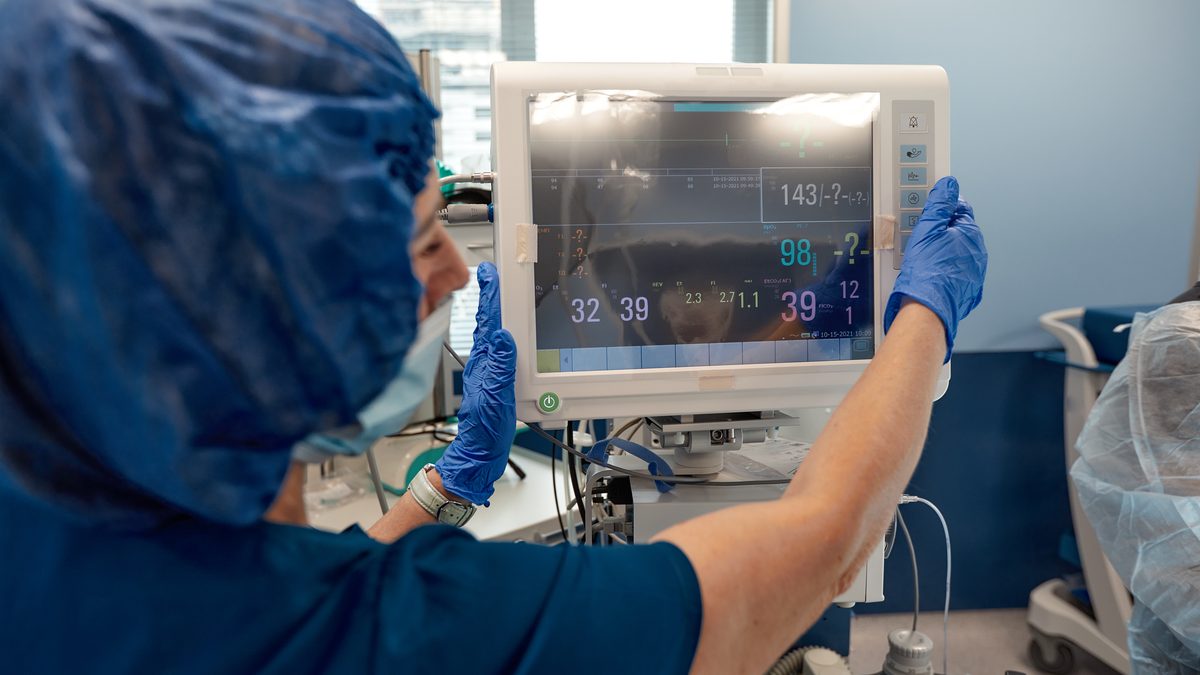
When aesthetic surgery is being planned, one of the things people often wonder about is which type of anaesthesia will be used during the procedure. General anaesthesia, local anaesthesia and sedation, which lies between the two, are preferred in different situations. This article outlines the general features of each type and the kinds of procedures in which they may be considered, for informational purposes. The anaesthetic method is decided together with the surgical plan and on the assessment of the anaesthesiologist; the choice varies with the person and the procedure.
What types of anaesthesia are there?
The anaesthetic methods used in aesthetic surgery can broadly be grouped under three headings:
- General anaesthesia: the person is fully asleep throughout the procedure, and breathing and circulation are continuously monitored by the anaesthesia team.
- Local anaesthesia: only the area to be treated is numbed and the person remains awake.
- Local anaesthesia with sedation: in addition to numbing the area, medication is given intravenously to help the person relax, partially reducing awareness.
Each method has its own advantages and limitations; none is suitable for every situation on its own.
When is general anaesthesia considered?
General anaesthesia comes into consideration more often as a procedure becomes longer, covers a wider area or requires work on deeper tissues. Procedures in this group generally include:
- Nasal surgery (rhinoplasty)
- Breast augmentation, reduction and lift
- Abdominoplasty and large-area liposuction
- Comprehensive facial procedures such as face and neck lift
- Combined operations in which several areas are addressed in the same session
Before general anaesthesia, the person’s health status, medications and any tests considered necessary are assessed by the anaesthesiologist. Rules such as the fasting period before surgery are also explained during this assessment.
When can local anaesthesia be used?
For procedures involving a small area, a short duration and superficial tissues, local anaesthesia may often be sufficient. Examples include:
- Filler and botox applications (a numbing cream or the local anaesthetic contained in the product is usually sufficient)
- Small-area liposuction
- Some eyelid procedures
- Removal of small moles and lesions
There are situations in which local anaesthesia may offer advantages for recovery and discharge; however, the scope of the procedure, the person’s level of anxiety and general health all affect whether this option is appropriate.
How is the anaesthetic method determined?
The decision is not based on a single criterion but on several factors considered together. These include the type and expected duration of the procedure, the size of the area to be treated, the person’s age and any accompanying conditions, previous experience with anaesthesia and personal preferences. If you have a chronic illness, an allergy or medications you take regularly, sharing these in full during the consultation is important for safe planning. Do not stop your medications on your own initiative; wait for your physician’s guidance.
Frequently Asked Questions
Is general anaesthesia risky?
As with any medical intervention, general anaesthesia carries possible risks. These vary with the person’s health status and are discussed in detail during the pre-operative assessment. Vital signs are continuously monitored by the anaesthesia team throughout the procedure.
Is pain felt during a procedure under local anaesthesia?
The aim of local anaesthesia is to prevent the sensation of pain in the treatment area. A brief stinging or burning sensation may occur while the numbing is applied; feeling pressure or touch during the procedure is generally expected.
Can I go home on the same day after general anaesthesia?
Same-day discharge may be possible after some procedures, while in other cases an overnight stay for observation may be recommended. This decision depends on the scope of the procedure and the person’s condition after surgery.
For more on surgical planning, see the Face and Neck Lift page, and use the contact page to arrange an examination in Kayseri.
This article is for informational purposes only; a physician’s examination is required for diagnosis and treatment.