Compression Garments After Liposuction: Why They Are Used and for How Long
13 August 2026
Tip Rhinoplasty vs Full Rhinoplasty: What Is the Difference?
25 September 2026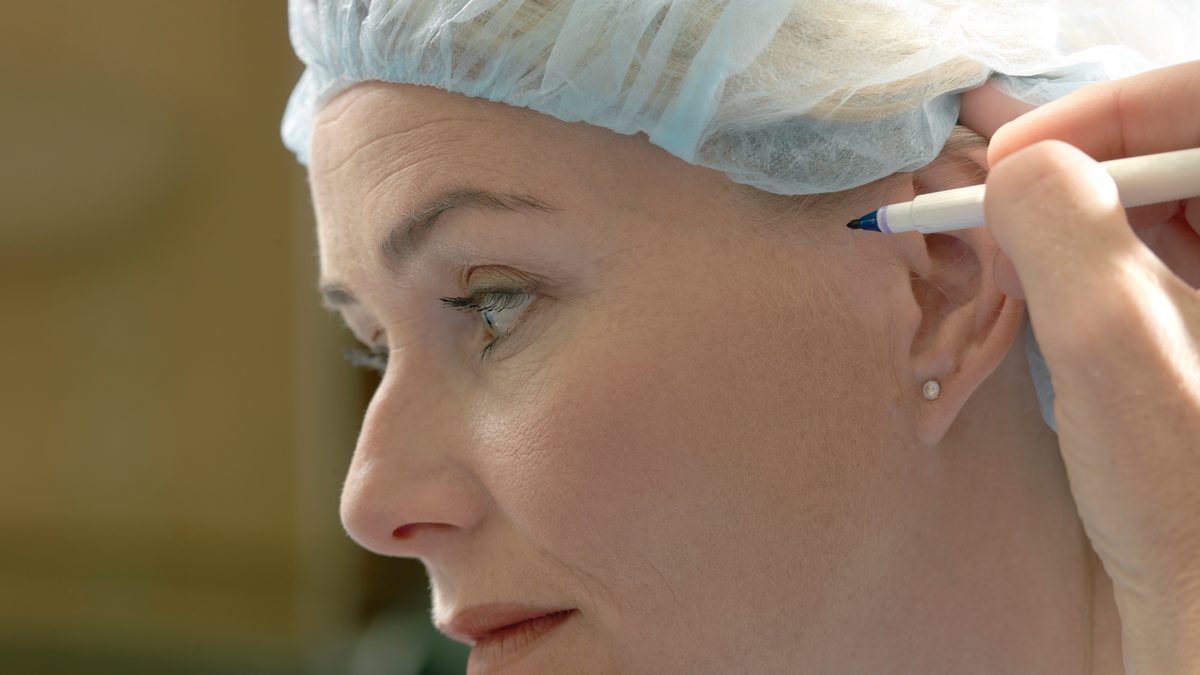
One of the most common questions among people considering a facelift concerns scarring. Because the procedure is surgical, some degree of scar tissue is unavoidable; what matters is where the incisions are placed and how the scars mature over time. This article outlines incision sites, the general course of healing and the factors that influence it. Every facial structure is different, so planning varies from person to person, and binding information can only come from the physician who examines you.
Where are facelift incisions placed?
Incisions are planned to take advantage of natural creases and the concealing quality of hair-bearing skin. Depending on the technique used and the degree of laxity, they are generally positioned in the following areas:
- Within or just in front of the hairline at the temple
- Along the natural crease in front of the ear
- Around the earlobe and continuing behind the ear
- Within the hairline at the nape when the neck is addressed
- In a small area beneath the chin when considered necessary
This placement aims to keep the scars largely hidden within the hair and the folds of the ear once healing is complete. The length and course of the incision differ between individuals according to which layers are addressed and how widespread the laxity is.
How do scars change over time?
Scar healing is not a single event but a process spread over months. During the first weeks the incision line may appear defined, slightly raised and pink to red in tone. This appearance indicates that the tissue is in the repair phase and is generally expected.
In the following months the scar usually fades gradually, becomes thinner and moves closer to the surrounding skin tone. For many people maturation may take around a year, and in some cases longer. Assessing the final appearance early in the process can therefore be misleading. Follow-up visits are important for monitoring whether healing is progressing as anticipated.
Factors that influence scar healing
Even when the same technique is used, the appearance of scars can differ between individuals, because healing depends not only on surgical technique but also on personal factors:
- Skin type, thickness and genetic tendency in wound healing
- How scars formed after any previous surgery
- Smoking and other habits affecting circulation
- Tension placed on the incision line after surgery
- Unprotected exposure to sunlight
- General health status and certain medications
If there is a personal history of pronounced scar formation, sharing this during the consultation is useful so that planning can take it into account.
Key points in scar care
Scar care after surgery is carried out within the framework of the instructions given by the physician. Commonly emphasised points include keeping the incision area clean and dry, having sutures reviewed at the scheduled time and avoiding movements that strain the area.
Sun protection is frequently highlighted during scar maturation, as unprotected exposure may contribute to a lasting difference in colour. Moisturising or silicone-based products may come up, but which product to use and when to begin varies from person to person and is determined on your physician’s advice. If you notice increasing redness, warmth, discharge or unexpected pain along the incision, it is appropriate to contact your physician rather than trying products on your own initiative.
Frequently Asked Questions
Do facelift scars disappear completely?
Scar tissue forms after any surgical incision and does not disappear entirely. What is expected is that the scar fades and thins over time and, because it lies within natural creases and hair-bearing skin, is not prominent in everyday appearance. Results vary from person to person.
When do scars reach their final appearance?
Scar maturation generally takes months and, for most people, is largely complete within about a year. This period can vary with skin structure and the pace of healing.
Do haircuts or hair colouring affect the scars?
There may be a waiting period before treatments involving incision lines within the hair-bearing scalp. When haircuts, colouring or similar applications can begin depends on the course of healing, so the timing is best decided together with your physician.
For more on surgical approaches to laxity of the face and neck, see the Face and Neck Lift page, and use the contact page for an assessment.
This article is for informational purposes only; a physician’s examination is required for diagnosis and treatment.