
Wearing Glasses After Rhinoplasty: When and How to Do It Safely
25 September 2026
BBL Safety: Why Technique Matters So Much in Fat Grafting
25 September 2026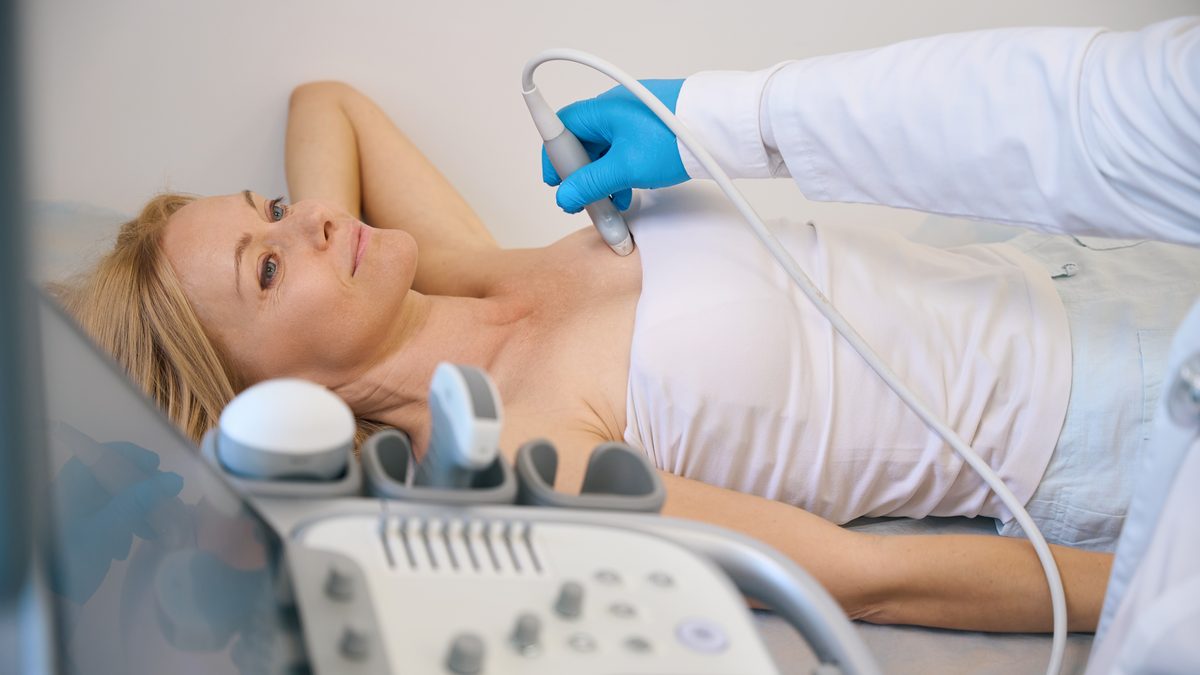
In short: Breast implants are not considered lifetime devices, but they do not have a fixed expiry date either. An implant that causes no problems generally does not need to be replaced simply because a certain number of years have passed. Revision surgery may become necessary for reasons such as capsular contracture, rupture, malposition, rippling or changes in breast shape over time, which is why regular medical follow-up matters.
One of the most common questions from people considering breast augmentation, or who had implants placed years ago, is how long implants “last”. Generalisations found online, such as “implants must be replaced every ten years”, do not fully reflect how the question is actually approached.
This article covers what implant lifespan means, the situations that may call for replacement, how silent rupture is monitored, why the implant card matters, the rare condition known as BIA-ALCL and the options available in revision surgery. Every situation is different; the follow-up plan and any decision are made by a physician after examination.
What does the “lifespan” of an implant mean?
A breast implant is a medical device made of a silicone outer shell filled with either silicone gel or saline (sterile salt water). Like any medical device it can wear over time, and the likelihood of an implant-related problem increases as the years go by. For this reason, the possibility of needing further surgery in the future should be discussed openly before the first operation.
At the same time, implants do not have a predetermined replacement date. Some people keep their implants without problems for many years, while others need a correction earlier. Routine replacement is generally not recommended for an implant that causes no symptoms and shows no problem on examination and imaging; decisions are based on findings rather than on a set number of years.
Situations that may require replacement or revision
- Capsular contracture: The body forms a thin layer of connective tissue, called a capsule, around every implant. Sometimes this capsule thickens and tightens, causing firmness, distortion of shape and pain.
- Rupture: An opening in the implant shell. With saline implants the fluid is absorbed by the body and the breast visibly deflates; with silicone gel implants a rupture often causes no symptoms.
- Malposition: The implant shifting downwards, sideways or upwards, a change in the fold beneath the breast, or the two implants moving too close together in the midline.
- Rippling: Visible or palpable wave-like folds at the edges of the implant, especially in people with thin tissue coverage.
- Ageing and sagging: Weight changes, pregnancy, breastfeeding and age alter breast tissue and skin; even when the implant stays in place, the breast may sag (ptosis), and a breast lift may be considered.
- Wish to change size: Over time, a person may prefer a smaller or larger look, or no implants at all.
Silent rupture and follow-up imaging
The silicone gel in modern implants is cohesive, so when the shell ruptures the gel usually stays within the capsule. As a result, the person may notice no change at all; this is called a “silent rupture”. Because it may not be detected on physical examination, imaging at certain intervals is recommended.
The most commonly used methods are breast ultrasound and magnetic resonance imaging (MRI). Which method is used, how long after surgery it starts and how often it is repeated are decided by the physician according to the implant type, your age and your breast cancer screening needs. Always tell the staff that you have implants when having a mammogram; special positioning techniques allow the implant to be moved aside so the breast tissue can be assessed more effectively.
| Condition | Possible signs | Assessment |
|---|---|---|
| Capsular contracture | Firmness, rounding, distortion, sometimes pain | Examination; ultrasound if needed |
| Silicone implant rupture | Often no symptoms; sometimes a change in shape or tenderness | Ultrasound or MRI, as advised by the physician |
| Saline implant rupture | Usually a clear reduction in breast size within a short time | Examination; usually visible |
| Malposition or rippling | Asymmetry, visible or palpable implant edges | Examination; imaging depending on the case |
| New late swelling | Fluid collection or a lump in one breast years later | Prompt medical assessment, ultrasound |
The implant card and registries
After surgery it is common practice to give the patient an implant card showing the manufacturer, model, volume, surface type and serial number of the implants. It is important to keep this card together with the operation report and discharge documents.
This information helps a physician make the right decision if you are examined years later in another city or country, if a safety notice is issued about a product, or when revision surgery is being planned. Some countries have national breast implant registries, which contribute to the long-term monitoring of implants.
BIA-ALCL: rare, but worth knowing about
BIA-ALCL (breast implant-associated anaplastic large cell lymphoma) is not breast cancer but a rare type of lymphoma arising from immune system cells. It usually develops in the fluid or capsule around the implant and has mainly been associated with textured-surface implants.
The most frequently reported sign is unexplained swelling or fluid collection in one breast appearing years after surgery; sometimes a lump is noticed. In such a case, the physician may recommend an ultrasound and, if needed, sampling of the fluid. For people without symptoms, removing implants for this reason alone is generally not recommended. Discussing your implant type and what to watch for during follow-up with your surgeon is a sufficient and sensible approach.
Options in revision surgery
Depending on the problem, revision can be planned in different ways:
- Replacing the implant with a new one of the same or a different size
- Partial or complete removal of the capsule (capsulectomy) or releasing it (capsulotomy)
- Correcting the implant pocket or moving the implant to a different plane (below or above the muscle)
- Removing the implants without replacement, if needed combined with a breast lift or fat grafting
- Planning a breast lift together with revision if there is sagging
Revision operations are often more complex than the first procedure, and the current condition of the tissue influences the outcome. The appropriate option is determined individually after examination and, if necessary, imaging.
Frequently Asked Questions
How often should breast implants be replaced?
Implants do not have a set replacement date. An implant that causes no problems and shows no findings during follow-up generally does not need to be replaced just because a certain time has passed. However, implants are not considered lifetime devices, and revision may become necessary over the years. Any decision to replace them is made together with your physician based on examination and imaging findings.
How can I tell if my implant has ruptured?
With saline implants, a rupture usually shows as a clear reduction in breast size. With silicone gel implants, a rupture often causes no symptoms at all; this is called a silent rupture. That is why checks with ultrasound or MRI at the intervals your physician recommends are important. If you notice a change in shape, firmness or tenderness, seek advice without waiting for your next check-up.
What is capsular contracture, and can it come back?
Capsular contracture is the hardening and distortion of the breast caused by the natural tissue layer around the implant thickening and tightening. Mild forms may simply be monitored, while marked firmness and pain may require revision. There is a possibility of recurrence after correction as well; this and the measures that may help should be discussed in detail with your surgeon.
Do pregnancy and breastfeeding affect implants?
During pregnancy and breastfeeding, breast tissue enlarges and then shrinks. This does not damage the implant itself, but it can stretch the skin and lead to sagging afterwards. The possibility of breastfeeding should be discussed when surgery is planned. If the shape changes after childbirth, the need for a correction is assessed once breastfeeding has ended and the breast tissue has settled.
Can implants be removed without being replaced?
Yes, implants can be removed without inserting new ones. Depending on implant size, tissue thickness and skin elasticity, the breast may sag or lose volume afterwards. For this reason, in some people removal is planned together with a breast lift or fat grafting. How much of the capsule should be removed is decided based on the examination findings.
For detailed information about breast implants, surgery and follow-up, you can visit the Breast Augmentation page, and to arrange a consultation in Kayseri, please use the Contact page.
This article is for informational purposes only; a physician’s examination is required for diagnosis and treatment.