
What Happens at a First Cosmetic Surgery Consultation? Step by Step
25 September 2026
How are risks assessed in aesthetic surgery? Why informed consent matters
25 September 2026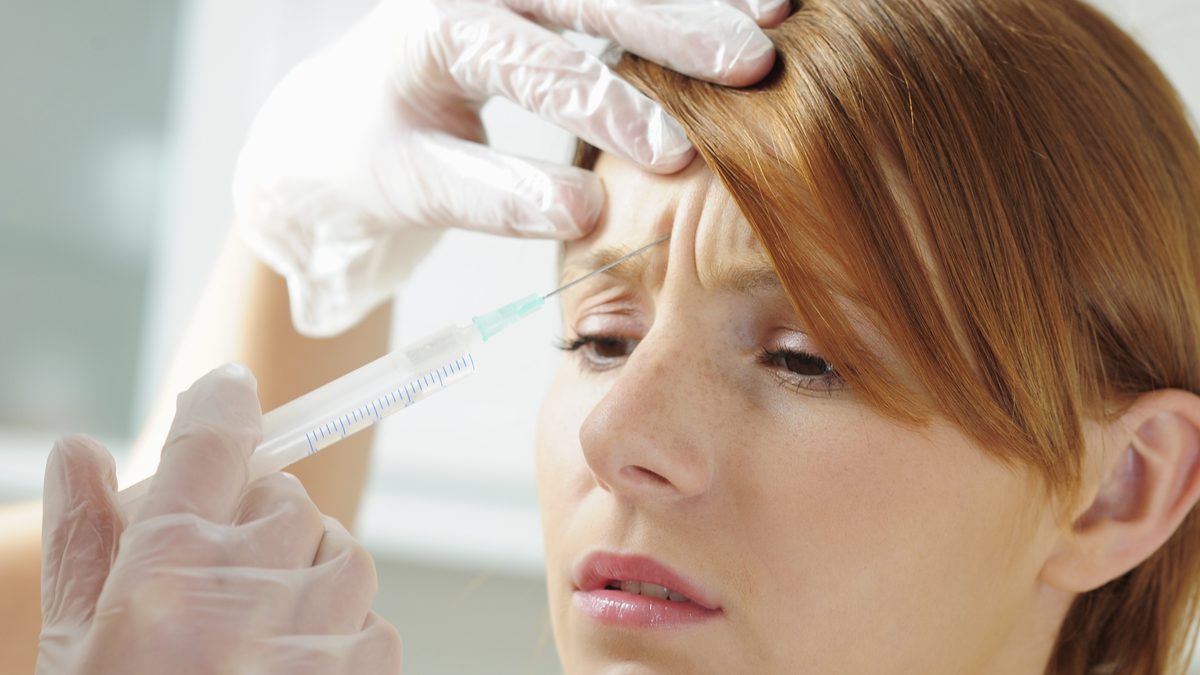
In short: Botulinum toxin (“Botox”) works on dynamic wrinkles caused by facial muscle movement, and its effect is temporary. Sagging skin and deeper tissues, a blurred jawline, neck laxity or excess eyelid skin do not improve with a muscle-relaxing injection; in these situations surgical options are considered. The right approach depends on the cause, is determined during an examination, and sometimes involves combining methods.
“Is Botox enough, or do I need surgery?” is one of the most common questions about facial ageing. The answer is not that one method is superior to another; it lies in what is actually causing the change in the face. Is the line driven by muscle movement, by volume loss or by tissue sagging?
This article explains the difference between dynamic and static wrinkles, what botulinum toxin and fillers can and cannot do, when surgery comes into the picture and how methods can be combined. Every face is different; this is a general framework, and an individual decision requires a medical examination.
First, the cause: muscle, volume or sagging?
Signs of facial ageing come from different layers. To choose the right approach, it helps to identify which layer is most involved:
- Dynamic wrinkles: lines that appear with expressions such as raising the eyebrows, frowning or smiling, and disappear or soften when the face is at rest. Forehead lines, frown lines between the brows and crow’s feet are typical examples.
- Static wrinkles: lines visible even when the face is still. They become established over years through repeated muscle movement, sun damage and loss of skin elasticity.
- Volume loss: with age, facial fat and bony support can diminish, which may lead to flattening of the cheeks or hollowing under the eyes.
- Sagging (laxity): the downward descent of skin and supporting tissues. Jowls, a less defined jawline, neck laxity and bands, and excess upper eyelid skin belong here.
Many people have several of these at once, so the examination looks at the whole face rather than at a single line.
What botulinum toxin does and does not do
Botulinum toxin temporarily reduces the nerve signal to the muscle into which it is injected. When the muscle contracts less, the dynamic lines it creates soften. The effect usually begins within a few days and lasts a few months, depending on the person, the area and the strength of the muscle. As it wears off, movement returns.
In established static lines, botulinum toxin may soften them partially by reducing the movement that deepens them, but it should not be expected to erase them. It does not lift sagging skin, restore lost volume or remove excess skin. Possible side effects include bruising at the injection site, headache and, rarely, a temporary drooping of the eyelid or brow, which is why the treatment should be carried out by a doctor who knows facial anatomy well.
Where fillers come in
Fillers (mostly hyaluronic acid, a moisture-binding molecule found naturally in the skin) are used to support areas that have lost volume and to soften some static lines. The cheek area, lips, chin and certain lines are typical sites. The effect is temporary, and how long it lasts depends on the area, the material and the individual.
Fillers have limits too. Trying to lift marked sagging with filler can make the face look heavy and unnatural. Serious complications such as blockage of a blood vessel have been reported, though they are rare, so filler treatment is a medical procedure and should be performed by a doctor.
When is surgery considered?
If the main problem is tissue sagging and excess skin, what injections can achieve is limited. In such cases, a face and neck lift, eyelid surgery (blepharoplasty) or procedures that lift the brow and temple region may be considered. Surgery repositions tissues and removes excess skin, so its effect on sagging is different from that of injections.
The effect of surgery lasts longer than that of injections, but ageing continues and results vary from person to person. On the other hand, surgery involves anaesthesia, a recovery period, swelling and bruising, scars and procedure-specific risks. General health, smoking and expectations are all weighed in the decision.
| Feature | Botulinum toxin | Fillers | Surgery (face/neck lift, eyelids) |
|---|---|---|---|
| Main target | Dynamic wrinkles | Volume loss, some static lines | Sagging, excess skin, neck laxity |
| Duration of effect | Temporary, usually a few months | Temporary, varies by area and material | Longer-lasting; ageing continues |
| Recovery | Usually brief; mild bruising possible | Brief; swelling and bruising possible | May take weeks; varies by person |
| Anaesthesia | Usually not needed | Usually local or numbing cream | Local, sedation or general anaesthesia |
| Limitation | Does not lift sagging | Does not correct marked sagging | Does not always remove expression lines on its own |
Can the methods be combined?
Yes. In many cases the methods complement rather than replace each other. A facelift, for instance, addresses sagging but does not always eliminate expression lines on the forehead or around the eyes on its own; botulinum toxin may be considered separately for those. Similarly, volume loss in particular areas after surgery can be supported with fillers.
Timing matters as well. If surgery is planned, any recent filler or botulinum toxin treatment should be mentioned at the consultation. When injections can be started after surgery is decided by the surgeon according to how the tissues are healing.
Frequently Asked Questions
Can Botox replace a facelift?
No, they address different problems. Botulinum toxin temporarily reduces muscle activity to soften expression lines, while a facelift repositions sagging tissues and removes excess skin. If sagging is not marked and the main concern is expression lines, botulinum toxin may be sufficient. If there is clear sagging along the jawline and neck, it should not be expected to correct those changes.
How long does Botox last?
The effect usually starts within a few days and lasts a few months in most people. Duration depends on the treated area, the strength of the muscle, the dose and individual metabolism. As the effect fades, muscle movement and lines gradually return. Whether and how often to repeat the treatment is decided together with your doctor.
Can fillers fix sagging skin?
Where the tired look comes from mild volume loss, filler can provide support in certain areas and contribute to a fresher appearance. However, when the skin and underlying tissues have clearly sagged, filler does not remove that sagging. Using large amounts can make the face look heavy and unnatural. The degree of sagging is assessed during the examination.
At what age should surgery be considered?
The decision is based on findings, not on age. Two people of the same age can have very different skin quality, degrees of sagging and facial structure. If there is marked sagging, neck laxity or excess eyelid skin that may even affect vision, surgical options can be considered. General health and expectations are also part of the decision.
Can I have Botox or fillers after surgery?
In most cases, yes, but the timing is set by the surgeon who operated on you. Treatment is not recommended before the tissues have healed, the swelling has settled and sensation has returned to normal. Injections done before surgery can also affect planning, so they should always be mentioned at the consultation.
For injectable treatments, see Fillers, Botox and Mesotherapy; for surgical options, see Face and Neck Lift. To book a consultation in Kayseri, please use the Contact page.
This article is for informational purposes only; a physician’s examination is required for diagnosis and treatment.